


Coffee Cup Branding Ideas for Hot Coffee, Iced Drinks, Matcha, Foam Drinks, and Takeaway Sets
A practical guide to building a full cafe cup system across hot coffee, iced drinks, matcha, cold brew, foam drinks, creative campaign cups, samples, and takeaway service.

Coffee cup collection with hot cups and cold drink cups for cafe branding
Coffee cups, but for the full modern menu
Coffee Cup Branding Ideas for Hot Coffee, Iced Drinks, Matcha, Foam Drinks, and Takeaway Sets
A cafe cup plan should not start with one hot cup. It should start with the drinks customers actually buy now: morning lattes, iced espresso, cold brew, matcha, fruit coffee, dessert-style foam drinks, office orders, samples, and seasonal launches.
A coffee shop used to be able to choose one paper cup, print the logo, add a sleeve, and call the packaging finished. That is no longer enough for many brands. Cold beverage demand is still growing, layered drinks are designed to be photographed, and customers expect order-ahead pickup to be fast and clean. Current coffee trend coverage points in the same direction: cold coffee is no longer a side category, visual drinks and foam textures are becoming menu drivers, and packaging has become part of the sensory experience before the first sip.
That changes how a cafe should think about cups. A double wall cup may be perfect for a premium latte. A single wall cup with a sleeve may be better for a budget-friendly daily coffee. A clear U-cup can make an iced latte, matcha cream, or fruit coffee look more valuable. A shaped plastic cup can turn a limited drink into a social post. A rotating paper cup can create an interactive moment for a launch. The right answer depends on the menu, the handoff, and the brand feeling.
Quick answer
For a modern coffee shop, build a cup system instead of choosing one cup. Use paper hot cups for core coffee, clear or shaped cups for visual cold drinks, coated paper cups for iced paper formats, sample cups for testing, and one or two creative cups for campaigns. Product links should appear only where the format solves a real customer problem.
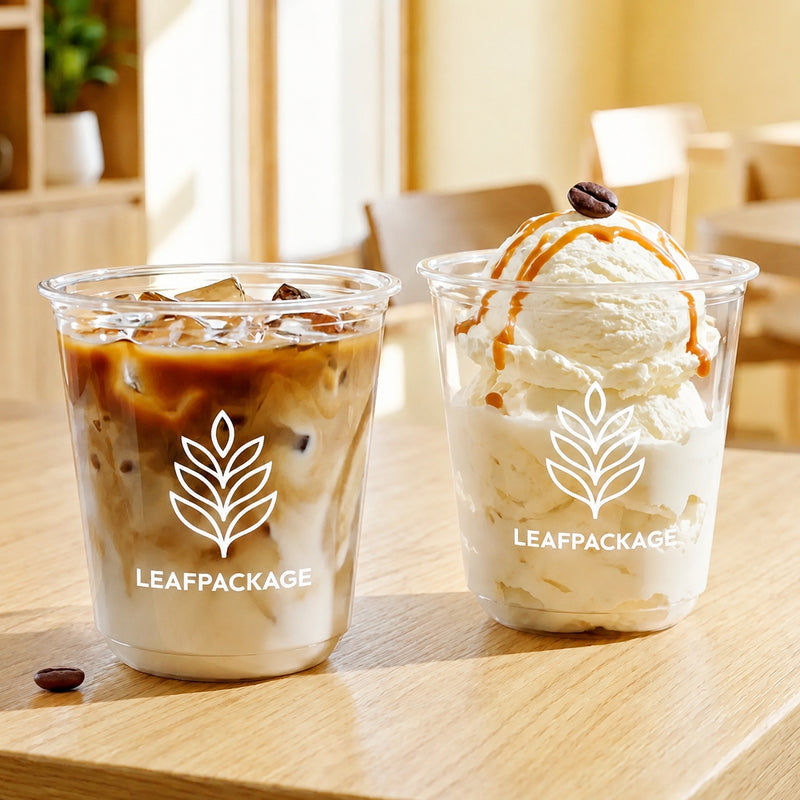
Start with the menu, not the cup catalog
The most useful cup plan begins with the drinks that create revenue and repeat visits. Separate the menu into five groups: hot daily drinks, premium hot drinks, cold visual drinks, campaign drinks, and sample or event servings. Each group has a different job.
- Hot daily drinks: speed, grip, cost control, lid fit, clear drink marking.
- Premium hot drinks: stronger hand feel, cleaner print, tactile finish, giftable impression.
- Cold visual drinks: color visibility, condensation control, sticker performance, lid and straw fit.
- Campaign drinks: shape, color, limited artwork, photo value, social sharing.
- Samples and events: small format, fast filling, readable flavor labels, easy cleanup.
The full LeafPackage coffee cups collection matters because it includes more than hot paper cups. It gives a cafe choices for cold drinks, clear cups, shaped cups, compostable cold cups, blank cups, printed cups, and sample packs. That range is useful only when each format is tied to a real service moment.
Hot coffee cups: daily service versus premium feel
Hot cups still carry the core coffee business. They appear in morning routines, meetings, hotel lobbies, delivery orders, bakery pairings, and weekend walks. The design should be steady and recognizable, not overloaded.
For a cafe that wants a sturdy hot-drink surface with a finished look, custom double wall paper coffee cups are a natural fit. They work well for lattes, cappuccinos, hot chocolate, seasonal drinks, and premium takeaway because the wall structure gives the cup more presence in the hand. For higher-volume everyday coffee, custom printed single wall coffee cups can work well when the sleeve carries part of the design or when the brand wants a lighter, simpler daily cup.


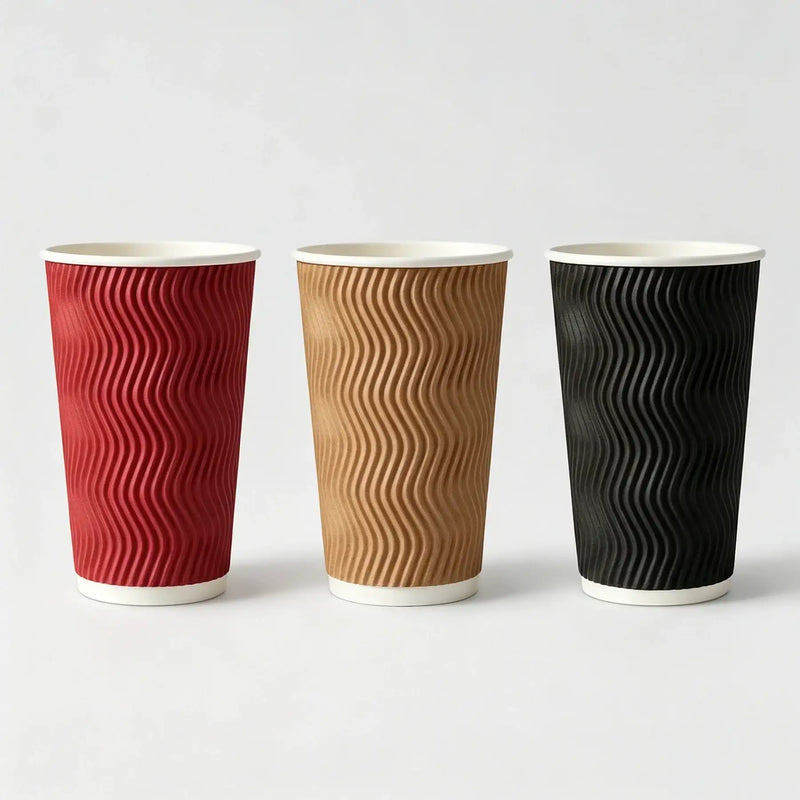
A practical detail: leave a clean area for order names, roast notes, or staff marks. A beautiful cup that makes the barista hunt for writing space can slow service and create mistakes during the rush.
Iced coffee, matcha, cold brew, and layered drinks need visibility
The cold menu is where many cafes now make their most shareable drinks. Iced espresso, cold brew, dirty matcha, strawberry matcha, cream-top coffee, fruit coffee, sparkling coffee, and layered milk drinks all depend on color and texture. If the cup hides the drink, the shop loses part of the sale.
For brands that still want a paper format, custom double-coated cold drink paper cups with lids give the cup a printable surface while supporting iced service. For drinks where the liquid should be seen, custom recyclable plastic U-cups, custom clear plastic cups, and clear PET styles make more sense. They let the drink become the main visual asset.
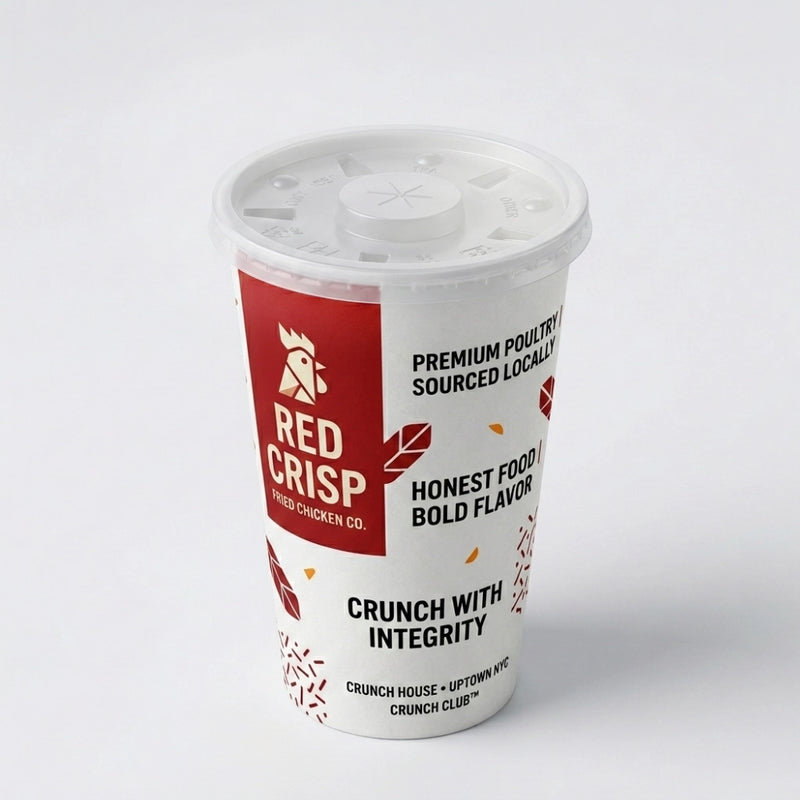
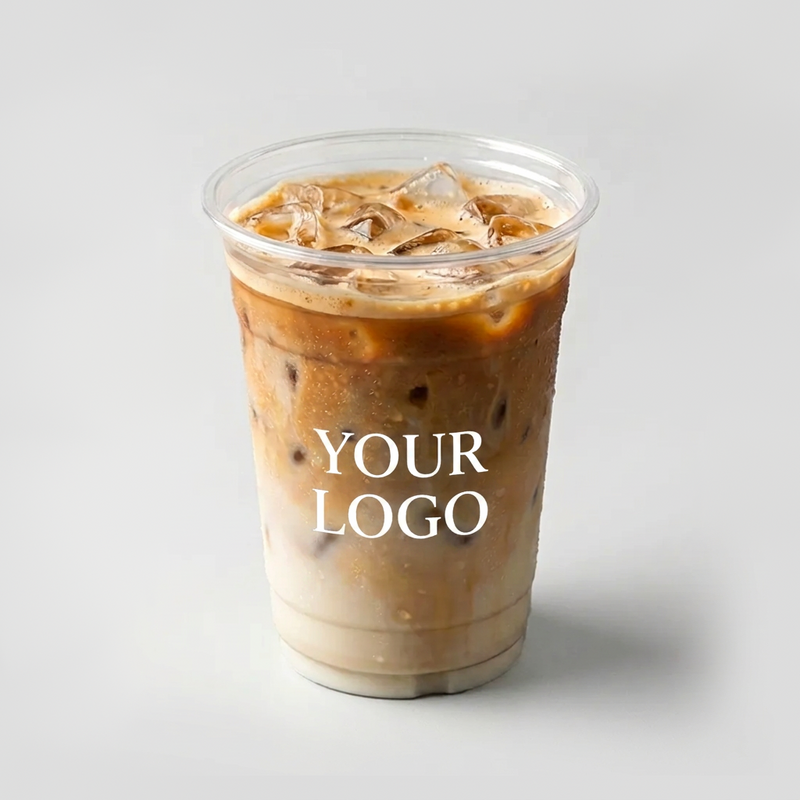
For cold drinks, test the cup with condensation, not just with room-temperature water. Check whether the logo is still readable, whether stickers lift, whether the cup feels slippery, and whether the lid handles foam height.
Creative cup formats are strongest when they support a launch
Some cup formats should not be used for every drink. They are better as campaign tools. A shaped cup, double-chamber cup, hollow rotating cup, floral cup, or novelty cup can make a limited drink feel worth trying. That is useful for grand openings, seasonal drops, social media campaigns, anniversary menus, and collaboration drinks.
For example, custom recyclable plastic cat paw cups can fit playful milk tea, dessert coffee, or themed pop-ups. custom hollow rotating paper cups can carry two visual layers, such as a core brand pattern under a seasonal window. clear plastic twin-share cups can support paired tastings or two-flavor cold drink sets.
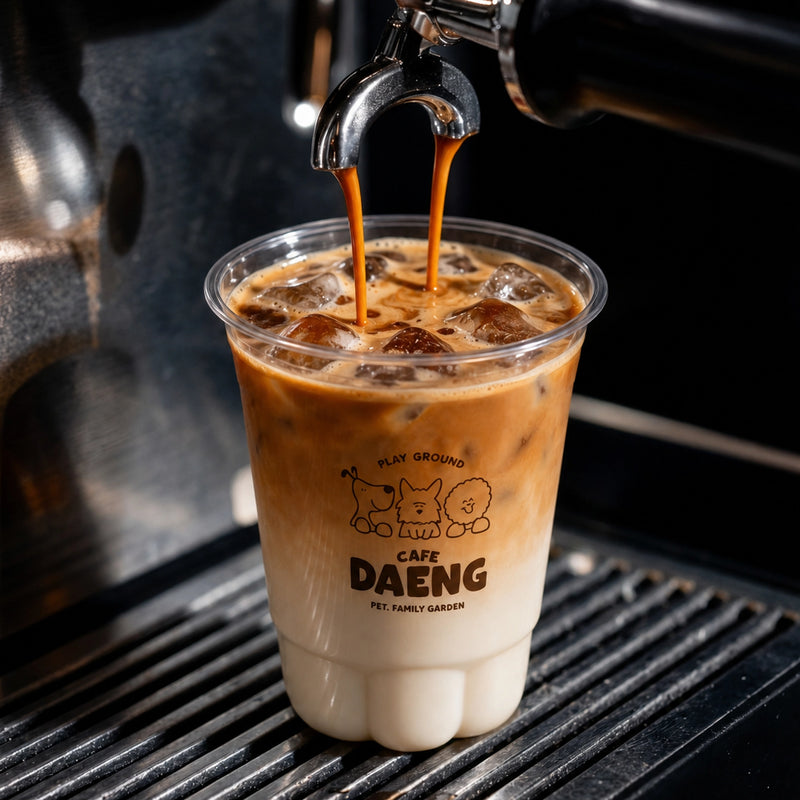
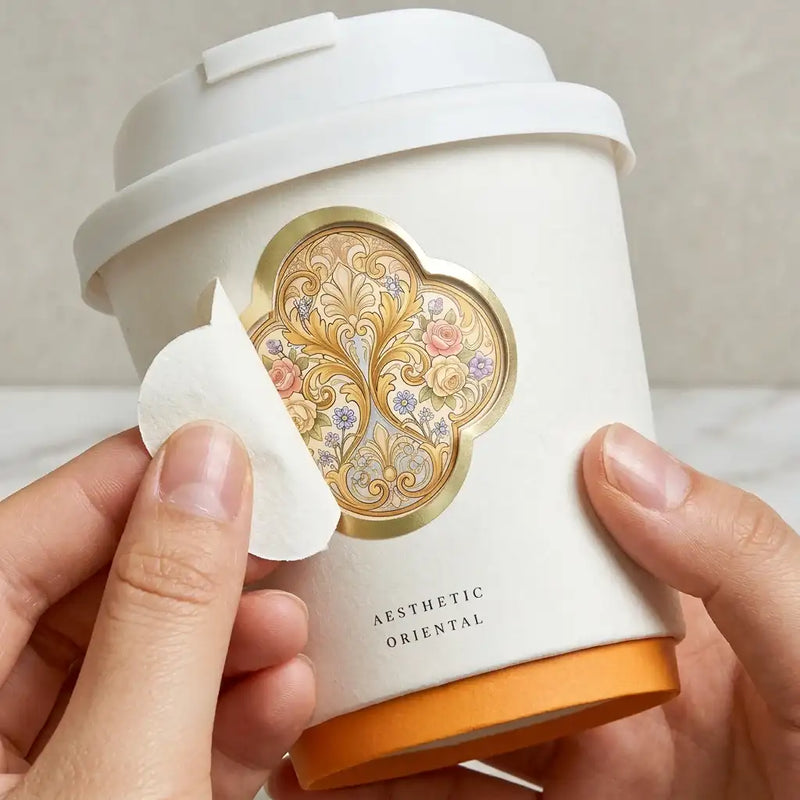
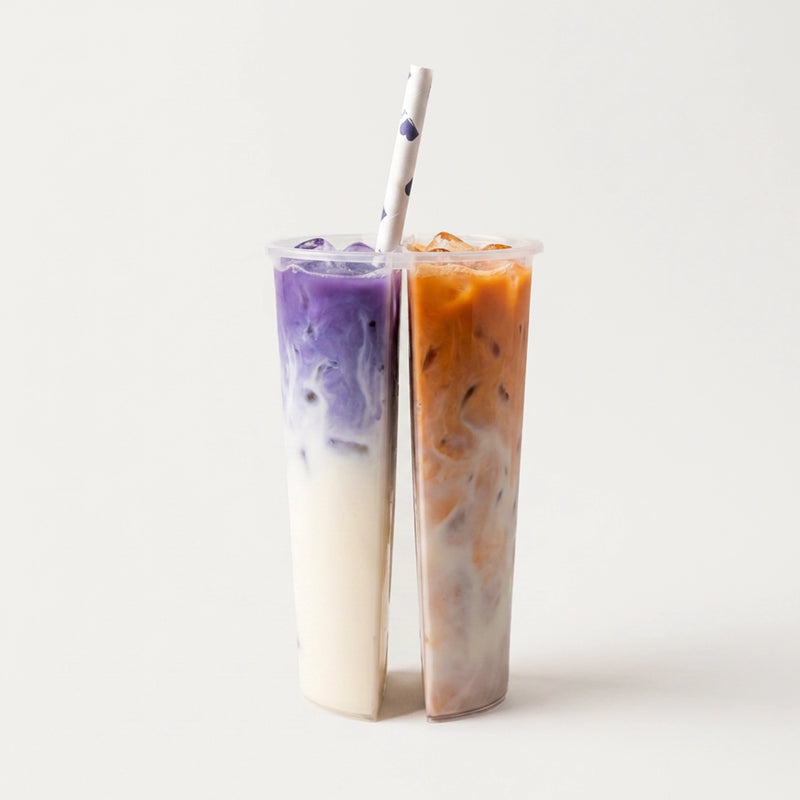
The key is restraint. A creative cup should be attached to a story customers understand in three seconds: new matcha series, summer cold brew flight, dessert coffee weekend, kids drink, pet-friendly cafe event, or two-flavor tasting set.
Size and workflow: the hidden part of cup branding
Cup branding fails when the size plan does not match the way staff work. A cafe may need 8oz or 10oz for small hot drinks, 12oz or 16oz for regular lattes and iced drinks, and 22oz for larger cold drinks or promotional beverages. But the real question is not size alone. It is how fast the staff can fill, lid, mark, group, and hand off the order.
| Use case | Cup direction | What to check before ordering |
|---|---|---|
| Morning espresso drinks | Single wall or double wall paper cups | Sleeve fit, lid fit, order marking, grip |
| Premium hot drinks | Double wall, ripple wall, or special finish cup | Hand feel, print accuracy, color restraint |
| Cold brew and iced latte | Clear plastic, U-cup, or coated paper cold cup | Visibility, condensation, straw/lid fit |
| Matcha, foam, fruit coffee | Clear cup or shaped cup | Layer visibility, foam height, photo angle |
| Seasonal campaign | Rotating, floral, novelty, or color-led cup | Story clarity, launch volume, social use |
| Testing new drinks | Hot, cold, or innovative sample packs | Real menu test, staff feedback, customer response |
Before committing to a bulk order, use hot cup samples, printed plastic cold cup samples, or innovative coffee cup samples to test the actual drinks. Samples are especially useful when a cafe is choosing between clear cups, coated paper cups, and shaped cups for a new cold menu.
Branding without clutter: let the drink, cup, and message each do one job
The most common mistake is trying to make every surface say everything. The cup does not need the logo, slogan, QR code, full menu, seasonal graphic, sustainability claim, and social handle all at once. A better system gives each element a job.
- Cup body: logo, color field, pattern, or drink visibility.
- Lid and sleeve: grip, temperature, campaign color, or short phrase.
- Sticker: flavor, pickup name, limited drop, QR code, or batch note.
- Carrier or bag: office order, pastry pairing, delivery grouping, or gift message.
For sustainability-led shops, custom compostable cold drink cups can support the story, but the copy should stay specific. Customers trust simple claims more than vague eco language. Say what the cup is for, how it should be disposed of where relevant, and why the material choice fits the menu.

Real cafe scenarios and how to choose the cup
1. A neighborhood cafe adding iced matcha and cold foam
Keep the hot coffee cup simple. Add a clear cold cup for matcha, foam, and fruit colors. Use small stickers for flavor drops so each new drink does not require a full cup redesign.
2. A roaster cafe trying to feel more premium
Use double wall paper cups for hot drinks, restrained color, and one tactile detail. Add a ripple or blank double wall option for wholesale events where the drink should feel polished without heavy artwork.
3. A dessert coffee shop creating weekend specials
Use U-cups or playful shaped cups for cream-top drinks, tiramisu lattes, strawberry coffee, or layered milk drinks. The cup should make the topping and color easier to photograph.
4. A cafe planning a launch campaign
Use a rotating cup, floral cup, or twin-share cup only for the campaign drink. Keep the daily cup system stable so the special cup feels intentional, not random.
5. A multi-location cafe that needs consistency
Create a core set: one hot cup family, one cold cup family, one sample format, and one campaign format. This makes purchasing easier while still giving the marketing team room to create seasonal moments.
A practical way to start
Choose one dependable hot cup, one cold cup that shows the drink well, and one flexible sample or campaign cup. Test the top five menu drinks in those formats for one week. Watch what staff reach for, what customers photograph, and where packaging slows service. That information is more valuable than choosing only from a catalog photo.
Build a cup system around your actual menu
LeafPackage can help compare hot cups, cold cups, U-cups, coated paper cups, shaped cups, compostable cold cups, and sample packs around your drink list, order volume, artwork, and launch plans.
Browse coffee cup optionsAsk for a cup planFAQ
What cup should a cafe choose first?
Start with the drink category that sells most often. Many cafes need one dependable hot cup and one cold cup that shows iced drinks clearly before adding campaign formats.
Are clear cups better for iced coffee?
They are often better when the drink has visible layers, color, foam, fruit, matcha, or toppings. If print area matters more than visibility, a coated paper cold cup may fit better.
When should a cafe use creative cups?
Use creative cups for limited drinks, social campaigns, launch events, dessert-style drinks, or tasting sets. They work best when tied to a clear story.
Should small cafes order custom cups or use stickers first?
If the menu is still changing, start with samples, stickers, and one core cup. Move into full custom cups once sizes, best-selling drinks, and brand colors are stable.
Final takeaway
Coffee cup branding is no longer only about hot coffee. The strongest cafe cup systems now serve the whole menu: hot lattes, iced coffee, matcha, cold brew, foam drinks, dessert specials, tasting samples, and campaign launches. Choose each cup for the customer moment it improves, and the product placement will feel useful instead of forced.
Please note, comments need to be approved before they are published.